


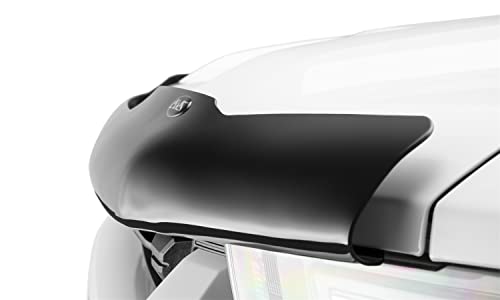
AVS Bug Deflector Fasteners | OEM Replacement Hardware
Our bug deflector fasteners are engineered to meet the exact mounting specifications of every AVS hood shield model. Each hardware kit contains corrosion-resistant steel fasteners manufactured to OEM tolerances, ensuring your deflector maintains factory-recommended positioning and aerodynamic performance.
We designed these fasteners for installers who need reliable replacement hardware after years of exposure to road salt, vibration, and temperature extremes. The zinc-coated finish resists rust formation while preserving the clamping force required for secure deflector retention at highway speeds.
Hardware specifications
Fastener materials and corrosion protection
We manufacture these fasteners from Grade 5 steel with a zinc electroplating process that creates a protective barrier against oxidation. The coating thickness meets SAE J429 standards for automotive exterior hardware, providing multi-year protection in environments where road salt and moisture accelerate metal degradation.
The fastener design incorporates a hex flange head that distributes clamping pressure across the deflector mounting surface without crushing the acrylic material. This head geometry prevents stress concentrations that can lead to deflector cracking during thermal expansion cycles. Thread pitch matches the factory-tapped holes in AVS deflector bases, eliminating cross-threading risk during installation.
Installation torque specifications
Recommended torque settings
Our engineers specify a tightening torque of 45-55 inch-pounds for AVS bug deflector fasteners. This torque range secures the deflector without over-compressing the mounting tabs or stripping the zinc coating on fastener threads. Use a calibrated inch-pound torque wrench for consistent results across all mounting points.
Tighten fasteners in a cross-pattern sequence, bringing each fastener to 50% of final torque on the first pass and completing the pattern at full specification on the second pass. This method equalizes deflector seating and prevents warping of the mounting surface. When working with replacement clips or hardware on older deflectors, inspect mounting tabs for cracks before applying torque.
Compatibility across AVS deflector lines
These fasteners work with all current AVS bug deflector models, including Aeroskin low-profile shields, traditional Bugflector II series, and wraparound Hoodflector designs. The standardized mounting hole pattern AVS uses across product lines allows a single fastener specification to serve multiple deflector styles.
For vehicles requiring custom mounting solutions, our hardware kits include spacers that accommodate hoods with non-standard contours or aftermarket scoops. The spacer design maintains the factory offset between deflector base and hood surface, preserving the aerodynamic angle engineered into each deflector profile.
Additional AVS Installation Hardware


Rated 4.8 by verified buyers
Common questions about AVS fastener compatibility
Our fasteners are designed for factory hood installations with standard AVS deflector mounting patterns. If you have an aftermarket hood with relocated mounting points or non-standard thickness, contact our technical support with your hood specifications. We can recommend spacer kits or custom-length fasteners that maintain proper deflector offset and alignment on modified hoods.
We recommend inspecting fasteners annually for corrosion or thread wear, particularly in regions with heavy road salt use. Replace fasteners immediately if you notice rust penetration through the zinc coating, stripped threads, or loose deflector fit. Most installers replace hardware every 3-5 years as preventive maintenance, or whenever removing the deflector for vehicle service.
While stainless steel offers superior corrosion resistance, AVS engineers specify zinc-coated steel for its optimal balance of strength, cost, and galvanic compatibility with deflector mounting tabs. Stainless fasteners can cause galvanic corrosion when paired with the aluminum or steel mounting points on some vehicle hoods. If you require stainless hardware for extreme marine environments, contact our support team for compatibility verification.
We recommend a calibrated beam-type or click-type inch-pound torque wrench with a range of 20-100 inch-pounds. Avoid using foot-pound torque wrenches for this application, as the low specification of 45-55 inch-pounds falls outside their accurate range. Digital torque adapters work well for installers who prefer electronic readouts. Verify your wrench calibration annually to ensure consistent fastener tension.
Our standard fastener kits include only the bolts, washers, and anti-seize compound needed for deflector attachment. Mounting tabs are integrated into the deflector base and are not sold separately. If your deflector has cracked or elongated mounting tabs, the entire deflector base requires replacement. We offer tab repair services for some older deflector models through our customer support channel.
You can reuse fasteners if the zinc coating remains intact and threads show no visible wear or deformation. Inspect each fastener for rust breakthrough, stripped threads, or bent shanks before reinstallation. Apply fresh anti-seize compound to threads even when reusing fasteners. We recommend replacing hardware if the deflector has been installed for more than two years, as thermal cycling and vibration fatigue reduce fastener reliability over time.
We stock extended-length fasteners for vehicles with aftermarket hood scoops or lift kits that increase the gap between hood surface and deflector base. Extended fasteners are available in 5mm and 10mm longer versions than standard hardware. Measure the gap at your deflector mounting points and contact our technical team to determine the correct fastener length for your specific lift configuration.