
Looking for a WeatherTech Stone & Bug Deflector Alternative? Why AVS Aeroskin Wins
WeatherTech has dominated hood protection for years, but their Stone & Bug Deflector isn’t the only choice — and for many truck and SUV owners, it’s not the best one either. We built the Aeroskin lineup to address the two biggest complaints we hear about WeatherTech’s deflector: wind noise and outdated profile height.
If you’re shopping for a WeatherTech bug deflector alternative that installs just as easily but runs quieter and looks cleaner, here’s what sets our Aeroskin design apart and why thousands of owners have made the switch.

Profile Height: Why Lower Means Quieter and Sleeker
WeatherTech’s deflector sits taller off the hood than most modern alternatives, which creates two problems. First, that extra height catches more wind at highway speeds, generating the whistle and buffeting owners complain about in forums. Second, the tall stance looks dated next to today’s lower hood lines — especially on newer trucks and SUVs designed with aerodynamics in mind.
Our Aeroskin sits 30 percent lower while still deflecting rocks and bugs up and over the windshield. That reduced profile cuts wind resistance, which translates directly to less noise. You get the same protection with a cleaner look and a quieter ride, which is exactly what most people want when they start searching for an alternative in the first place.
Acrylic Construction vs Polycarbonate: What Actually Matters
WeatherTech uses polycarbonate because it’s impact-resistant and holds up in extreme cold. We chose optical-grade acrylic for the Aeroskin Lightshield because it resists UV yellowing better and polishes cleaner when road grime builds up. Polycarbonate can cloud over time, especially in high-sun climates, while acrylic stays clear season after season.
Both materials handle rock strikes just fine in real-world use. The difference shows up three years down the road when a polycarbonate deflector starts looking hazy and an acrylic one still looks new. If you plan to keep your vehicle long-term, that clarity advantage matters more than lab-test impact ratings that rarely come into play on actual highways.
Installation: No-Drill Mounting That Actually Stays Put
Both brands use 3M automotive tape for no-drill installation, so there’s no advantage either way on ease of install. What separates them is fit precision. WeatherTech ships a universal-bend design for some models, which means you’re flexing the deflector to match your hood curve during install — and that introduces stress points that can lift over time.
We mold every Aeroskin to the exact contour of each specific year and model. That means zero guesswork, zero bending, and a bond line that sits flush across the entire leading edge. The result is a deflector that stays put through car washes and highway speeds without the edge-lift issues that plague poorly fitted universal designs. If you’ve ever had a deflector peel at the corners after six months, fit precision is the reason why.
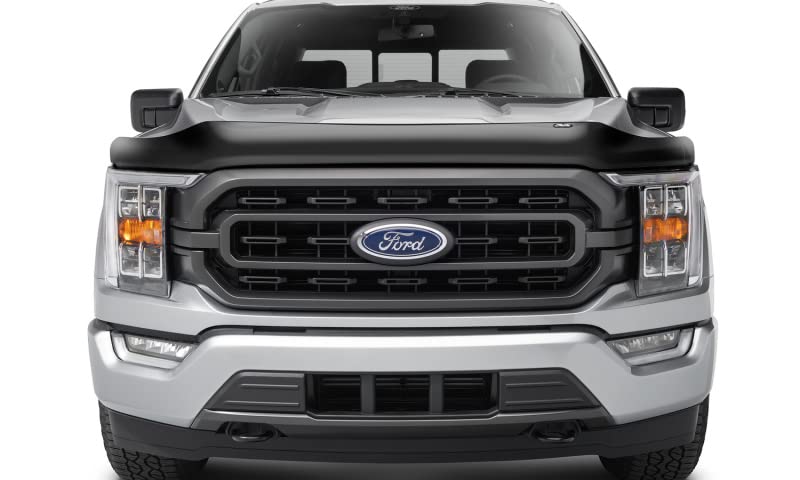
Wind Noise Reduction: How Design Shape Changes Everything
The single biggest reason people look for a WeatherTech alternative is wind noise, and that comes down to two design factors: profile height and leading-edge angle. A tall deflector with a steep rake acts like a sail — it catches wind and generates turbulence that you hear as a low whistle or buffeting sound at 60+ mph.
Our Aeroskin uses a lower profile and a gentler leading-edge curve, which lets air flow smoothly over the top instead of slamming into a vertical wall. The difference is measurable on a decibel meter and obvious to your ears the first time you hit the highway. We’ve written a full breakdown of how AVS Aeroskin low-profile design actually reduces wind noise if you want the aerodynamics details, but the short version is this: shape matters more than material when it comes to quiet operation.

Long-Term Durability: What Holds Up and What Doesn’t
Both WeatherTech and AVS deflectors handle the basics — rock chips, bug splatter, road salt — without issue. The failure points show up in the mounting hardware and the UV resistance of the material itself. WeatherTech’s polycarbonate can yellow in direct sun after three or four years, especially in the Southwest, while our acrylic formulation resists that discoloration.
On the hardware side, we’ve seen more reports of WeatherTech tape failure in high-heat climates than we’d expect from 3M-grade adhesive, which suggests fit gaps that let heat build under the bond line. Our pre-molded fit eliminates those gaps, so the tape bonds evenly and stays cool. If a mounting tab does crack or you need fresh replacement hardware, both brands sell those parts separately — but you’re far less likely to need them if the deflector was molded correctly in the first place.
Why Thousands of Owners Choose AVS Aeroskin Over WeatherTech
WeatherTech built their reputation on durability and availability, and their Stone & Bug Deflector delivers on both. But durability doesn’t matter if wind noise makes highway drives miserable, and availability doesn’t help if the fit isn’t molded for your specific hood contour.
We designed Aeroskin to fix the two things WeatherTech doesn’t prioritize: quiet operation and sleek modern styling. Lower profile, better UV resistance, precision-molded fit, and the same no-drill install you’d get from any other brand. If you’ve been searching for a WeatherTech alternative that actually improves on the original, that’s exactly what Aeroskin was built to be.
Questions About Switching from WeatherTech to AVS Aeroskin
Yes, if WeatherTech lists a deflector for your specific year and model, we almost certainly do too. Both brands cover the same popular trucks and SUVs — F-150, Silverado, Ram, Tacoma, 4Runner, and so on.
The difference is in how the part fits once it’s on. WeatherTech sometimes uses a universal-bend design for multiple years, while we mold each Aeroskin to match the exact hood contour of a single model year. That means our fit is tighter and our coverage list is more specific, but if your vehicle appears on both sites, either deflector will mount.
Absolutely. The job of a bug deflector is to redirect airflow up and over the windshield, not to act as a physical wall. Our Aeroskin sits lower than WeatherTech’s design, but the aerodynamic curve still deflects debris just as effectively because it’s angled correctly.
In fact, a lower profile can work better at highway speeds because it creates less turbulence. A tall deflector can generate vortices that actually pull some debris back down toward the glass, while a smooth low-profile design sends everything cleanly over the top.
For Highlander owners specifically, our Aeroskin for Toyota Highlander is molded to fit the 2020-2024 body style and installs in under 20 minutes with no drilling. WeatherTech’s Highlander deflector uses the same tape-mount approach, but ours sits lower and runs quieter thanks to the reduced profile height.
Highlanders have a relatively low hood line compared to body-on-frame SUVs, so a tall deflector looks out of place and catches more wind than necessary. The Aeroskin’s sleeker profile matches the vehicle’s design language better and eliminates the highway whistle that taller deflectors produce on this model.
Yes. The 3M tape bond is strong enough to stay put through car washes and highway speeds, but it releases cleanly when you apply heat from a hairdryer or heat gun. Warm the tape for 30 seconds, then slowly peel the deflector away from one end.
Any leftover adhesive comes off with 3M adhesive remover or isopropyl alcohol and a microfiber cloth. We’ve never seen the tape pull paint when removed correctly, and the same goes for WeatherTech’s mounting system — both brands use automotive-grade adhesive designed for this exact purpose.
WeatherTech’s polycarbonate has a slight edge in extreme-cold impact resistance, which is why they market it heavily for northern climates. That said, our acrylic formulation is tested to -40°F and holds up fine in Canadian winters and mountain snowbelt conditions.
The real cold-weather issue isn’t the material — it’s the adhesive bond. Both brands use 3M tape rated for sub-zero temps, but a poorly fitted deflector can let moisture seep under the bond line and freeze, which eventually lifts the edges. Our pre-molded fit prevents that gap, so the tape stays bonded even when temperatures drop.
The difference is measurable but small — usually under 0.3 MPG on highway drives. A tall deflector like WeatherTech’s creates more drag than a low-profile design, but the aerodynamic penalty is minor compared to other factors like tire pressure, roof racks, or driving speed.
Where you’ll notice the difference is in wind noise, not fuel economy. A tall deflector generates turbulence that sounds like a low whistle at 65+ mph, while a lower design like Aeroskin runs nearly silent. If MPG is your primary concern, skip the deflector entirely — if you want hood protection without the noise penalty, profile height is what matters.