
AVS Aeroskin Won't Stay Attached in Car Washes? Here's Why
A bug deflector coming loose during an automatic car wash isn’t just annoying—it signals a deeper installation or adhesive issue that needs attention before the hood shield flies off entirely. The AVS Aeroskin line uses 3M automotive-grade adhesive tape rated for highway speeds and weather extremes, yet some owners report their deflector lifting at the edges or peeling back when subjected to high-pressure roller brushes.
We’ve seen this scenario play out across thousands of installations, and the root cause almost always traces back to one of three factors: surface contamination during install, insufficient curing time before the first wash, or using a wash bay with unusually aggressive equipment. Understanding which variable failed in your case determines whether you need a simple reattachment or a complete do-over with fresh tape.

Why 3M VHB Tape Fails in Automatic Washes
The 3M VHB (Very High Bond) tape backing every AVS Aeroskin deflector requires a clean, dry bonding surface and 72 hours of cure time to reach full strength. Skip either step and the bond never achieves its rated 90-pound pull force per square inch.
Automatic car washes apply forces the tape wasn’t designed to resist during that initial cure window—horizontal shear from rotating brushes, lifting pressure from high-velocity air dryers, and thermal shock when hot wax meets cold rinse water. A deflector installed Monday morning and run through a wash tunnel Tuesday afternoon hasn’t cured long enough to survive that abuse. The tape’s acrylic adhesive needs three full days at ambient temperature to cross-link with the paint’s clear coat.
Contamination is the other silent killer. Wax residue, silicone dressings applied to truck beds and hoods, or even fingerprint oils left during installation create an invisible barrier between tape and paint. The bond looks solid when you press the deflector down, but it’s adhering to the contaminant layer—not the vehicle—so the first mechanical stress peels it right off.
Surface Prep Mistakes That Guarantee Failure
Isopropyl alcohol alone doesn’t remove everything. Most installers wipe the hood with a 70-percent IPA solution and call it done, but that leaves behind any silicone-based products previously applied to the paint.
A proper two-step prep starts with a dedicated silicone remover or a 50/50 mix of IPA and distilled water, followed by a second pass with fresh IPA on a clean microfiber. Let each pass fully evaporate before moving to the next—rushing this creates streaks that trap moisture under the tape. Temperature matters too: adhesive tape bonds poorly below 60°F, so garage installs in winter months often fail even when prep was perfect.
Humidity and Ventilation
High humidity during installation extends cure time and weakens initial tack. If you’re installing in a damp climate or immediately after rain, run a dehumidifier in the garage or wait for a drier day. The ASTM D3330 peel adhesion standard specifies controlled temperature and humidity for testing automotive tapes because environmental swings change bond performance by 30 percent or more.
How Wash Bay Equipment Varies in Aggressiveness
Not all automatic washes treat your deflector the same. Touchless bays rely on high-pressure water jets—typically 1,000 to 1,500 PSI—that create lifting force at any loose edge but won’t mechanically grab a fully bonded shield. Soft-touch roller systems apply sustained horizontal pressure as the vehicle moves through, which tests the tape’s shear strength more than its peel resistance.
The worst offender is the older-style friction brush wash with stiff bristles. These rakes apply direct upward force to the leading edge of the deflector, exactly where the tape has the least surface area and the highest stress concentration. If your deflector survived months of highway driving but failed in one wash, you likely hit a friction-brush bay.
Drying Blowers and Heat Cycles
High-velocity air dryers at the exit tunnel generate localized lift along the top edge of the Aeroskin’s low-profile design. Combined with radiant heat from some dryer systems, this creates a thermal expansion mismatch between the acrylic shield and the metal hood, momentarily breaking the bond before it re-seats. Repeated cycles weaken the tape faster than steady-state stress.
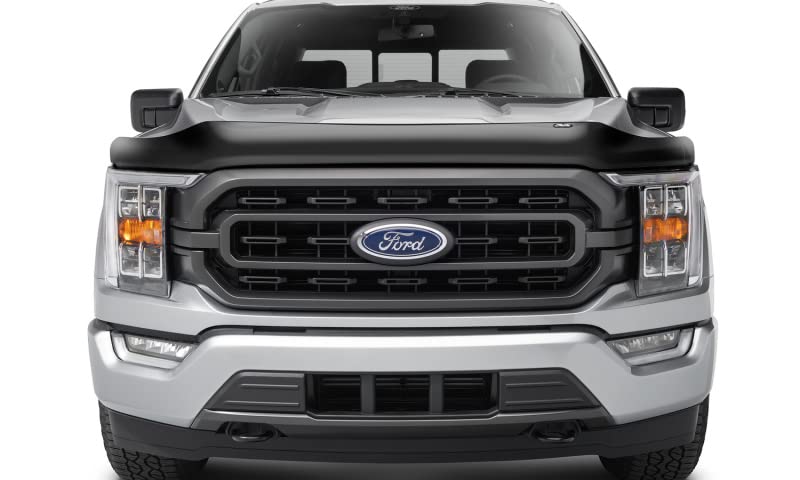
Reattachment vs. Full Tape Replacement
If your deflector lifted but didn’t fall off completely, inspect the existing tape. Press firmly along the full perimeter and check for any sections that compress easily or show gaps—that tape is done and won’t re-bond reliably even if you clean and press it again.
Full replacement means removing the old tape entirely, which requires a plastic razor blade and adhesive remover to avoid scratching the hood. AVS ships replacement 3M tape strips with every AVS Aeroskin Bug Deflector, but you can also source 3M part number 06382 (1-inch-wide VHB tape) from auto body suppliers. Cut strips to match the original pattern, clean the hood and deflector back with IPA, and allow 72 hours before any wash exposure.
If only one corner or edge lifted and the rest of the tape still feels solid, a spot repair with additional VHB tape overlapping the compromised section can work—but only if you address whatever caused the initial failure. Skipping the root-cause fix just delays the next peel-off.
Keeping Your Aeroskin Attached Through Every Wash
The difference between a bug deflector that lasts five years and one that peels off in five weeks comes down to installation discipline—clean prep, full cure time, and realistic expectations about what automatic washes can handle. If your Aeroskin has already lifted once, treat it as a warning rather than a one-time fluke.
Replacing the tape and following a proper 72-hour cure solves the problem for good in most cases. If failures continue even after correct installation, evaluate whether your regular wash bay uses unusually aggressive equipment, and consider switching to a touchless system or hand washing until the bond has several weeks to harden fully. A deflector that survives its first month of washes will typically stay attached for the life of the vehicle.
Common Questions About Bug Deflector Attachment and Car Washes
Wait a minimum of 72 hours—three full days—before exposing your newly installed deflector to any automatic wash. The 3M VHB tape needs that time to reach full bond strength.
Driving during that period is fine; highway wind pressure actually helps seat the tape. But mechanical brushes and high-pressure water jets apply forces the bond can’t handle until the adhesive fully cures.
Yes, once the tape has cured for 72 hours, touchless washes are the safest automatic option. They use high-pressure water instead of brushes, so there’s no mechanical contact to lift or peel the deflector.
That said, touchless systems still hit 1,200 PSI or higher, so any edge that wasn’t bonded properly will still lift. If your deflector survived the first touchless wash with no issues, the installation is solid.
Use a plastic razor blade or an old credit card to lift the tape without scratching the hood’s clear coat. Work slowly and apply heat from a hair dryer if the tape resists—warmth softens the adhesive and reduces the risk of paint damage.
Once the bulk of the tape is off, spray 3M General Purpose Adhesive Remover or Goo Gone on any residue, let it sit for two minutes, then wipe clean with a microfiber cloth. Follow with isopropyl alcohol to remove any oily film before applying new tape.
The front leading edge sees the highest stress because it faces oncoming air and the first contact point for wash brushes or water jets. It also has the least tape coverage—most Aeroskin designs taper to a thin profile up front, giving the adhesive less surface area to grip.
If only that edge lifts repeatedly, add a second narrow strip of VHB tape along the very front lip when you reinstall. Double-taping that high-stress zone spreads the load and prevents future peeling.
A slight flutter at 70-plus mph is normal for low-profile designs like the Aeroskin, especially on trucks with boxier front ends that create turbulent airflow. As long as the deflector stays firmly attached, that vibration doesn’t indicate a problem.
However, if the vibration increases suddenly or you hear a flapping sound, pull over and check the tape—those are signs the bond is starting to fail. Catching it early means a simple reattachment instead of chasing a deflector down the highway.
Absolutely. Wax, sealants, and especially hydrophobic ceramic coatings create a slick barrier that VHB tape can’t penetrate. The tape bonds to the coating instead of the paint, and that bond fails quickly under stress.
Before installing a deflector on a freshly detailed truck, use a silicone remover or a dedicated wax-stripping agent on the bonding area. You’re not removing the coating everywhere—just the narrow strip where the tape will sit. Reapply protection around the deflector after installation if desired.